Tile flooring can significantly increase property value and deliver a strong return on investment (ROI). By choosing the right materials, understanding cost-efficient installation options, and maintaining your floors properly, homeowners can elevate both aesthetic appeal and market appeal. This guide covers the most essential considerations for selecting tile, budgeting wisely, ensuring high-quality installation, and measuring financial benefits.
Understanding the Benefits of Tile Flooring
The Versatility and Durability of Tile
Tile flooring is known for durability, versatility, and longevity. Suitable for kitchens, bathrooms, hallways, and high-traffic rooms, tile offers both form and function. With countless materials, textures, and finishes available, tile adapts to nearly any interior design. Its long lifespan reduces the frequency of replacements, making it a dependable option for homeowners prioritizing ROI. Choosing professional floor installations ensures these materials are used correctly and deliver maximum long-term value.
Enhancing Aesthetic Appeal and Property Value
Tile flooring can substantially elevate a home’s aesthetic value, influencing its perceived worth. Modern or classic tile designs enhance visual flow and complement existing décor. High-quality materials often increase appraisal values, while tile’s timeless appeal keeps homes attractive to buyers across shifting design trends. Hiring experts for floor installations helps secure flawless results that elevate both resale potential and everyday livability.
Cost-Effectiveness Over Time
Although the initial cost of tile installation may be higher than some alternatives, its longevity offsets upfront expenses. Tile resists scratches, stains, and moisture, lowering long-term repair or replacement costs. According to JLC, tile flooring upgrades typically produce an ROI between 70% and 80%, making it one of the more financially advantageous home improvements available. With professional floor installations, homeowners reduce risks of premature damage and ensure the flooring performs optimally over time.
Selecting the Right Tile for Your Space
Tile Styles and Trends
Popular tile styles include wood-look planks, geometric motifs, stone-inspired surfaces, and large-format slabs. These patterns create visual impact without overwhelming a space. Trend-aware selections can modernize interiors and appeal to buyers while ensuring the design remains timeless enough to preserve long-term value. Professional floor installations safeguard the integrity of these designs through proper alignment and technique.
Choosing Appropriate Sizes and Shapes
Tile sizing influences both visuals and practicality. Large-format tiles make rooms feel larger and reduce grout lines. Mosaics add detail and texture, ideal for accent areas. Rectangular tiles can elongate or visually widen a space depending on placement. Careful selection ensures the tile enhances room proportion and aligns with intended functionality. Skilled floor installations help bring these visual goals to life with precise layout and execution.
Cost-Efficiency in Tile Purchasing
Setting a Reasonable Budget
Budgeting should include tile costs, tools, adhesives, grout, and installation expenses. Planning financially prevents overspending and helps narrow choices to high-value options. Quality tiles may cost more upfront but reduce future repair needs. A balanced budget supports both aesthetic goals and financial efficiency. Investing in expert floor installations protects that budget by minimizing costly installation mistakes.
Understanding the Cost Per Square Foot
Tile pricing varies widely by material. Porcelain and natural stone typically cost more due to superior durability. Homeowners should calculate tile needs accurately and include 10% to 15% additional material to account for waste and future repairs. Installation labor must also be factored in for an accurate financial plan. Professional floor installations help ensure materials are used efficiently without excess waste.
Evaluating Total Cost vs. Value-Added
Evaluating tile investments means understanding how design choices influence resale value. Tiles that align with modern trends and buyer preferences tend to provide higher ROI. With typical returns ranging between 70% and 80%, tile flooring remains one of the most financially rewarding improvements. Professional floor installations further lift that ROI by enhancing durability and appearance.
Effective Tile Installation Techniques
DIY vs. Professional Installation
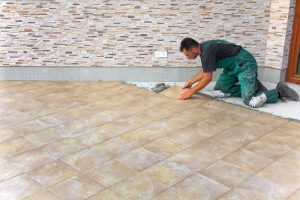
DIY installation may save labor costs but risks lower-quality results if the installer lacks experience. Misaligned tiles, uneven grout lines, or improper adhesion can reduce durability and hurt property value. Professional floor installations offer precision, correct preparation, and long-lasting finishes that justify the investment and maximize ROI.
Preparing Surfaces for Tile Installation
Surface preparation is essential for successful installation. Subfloors must be clean, level, and stable. Cracks or moisture issues must be addressed before laying tile. Without proper preparation, tiles may loosen or crack prematurely. Hiring experts for floor installations guarantees proper substrate prep and long-term performance.
Understanding Adhesive Types and Applications
Using the correct adhesive ensures strong tile bonding. Thin-set mortar works well for ceramic and porcelain, while epoxy mortars suit damp or high-use areas. Incorrect adhesive selection leads to poor adhesion and reduced longevity. Professionals experienced in floor installations know which products and techniques produce the best results.
Solving Common Installation Challenges
Uneven subfloors, tile lippage, and incorrect spacing are common installation problems. Leveling systems and proper measurement mitigate these issues, but technique matters. Expert floor installations minimize errors and create a polished look that increases property value.
Maintaining Tile Floors for Longevity
Daily and Routine Cleaning Practices
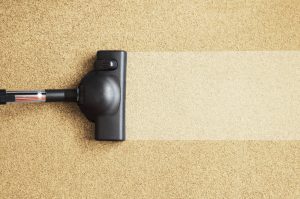
Routine sweeping prevents dirt accumulation that can scratch tile surfaces. Mopping with mild solutions maintains cleanliness without damaging grout. Regular care protects the investment and enhances long-term ROI. Professional floor installations create durable foundations that hold up well under maintenance.
Dealing With Spills and Stains Promptly
Addressing spills quickly prevents staining and discoloration. Blotting instead of rubbing reduces the risk of spreading liquids. Sealants add protective barriers and maintain visual clarity. Floors installed by experts handle these stressors more effectively due to proper sealing and material selection.
Preventive Care Measures
Rugs, felt pads, and doormats help reduce wear on tile surfaces. Routine inspections help catch minor issues before they escalate. Preventive habits extend tile life and preserve property value. High-quality floor installations further support these results by eliminating weak spots.
Repairing Minor Damages Efficiently
Small chips or cracks can be repaired with epoxy or touch-up solutions. When necessary, individual tiles can be replaced without disturbing the entire floor. Professional installers ensure repairs blend seamlessly with the original layout. This expertise reinforces the value of investing in proper floor installations.
Scheduling Professional Cleanings Regularly
Professional cleaning revives grout lines and restores tile vibrancy. Advanced methods like steam cleaning enhance overall hygiene. Regular treatments extend tile longevity and preserve ROI. Flooring installed by experts withstands professional cleanings better due to proper foundational work.
Calculating ROI and Measuring Impact
Defining ROI in the Context of Home Improvements
ROI measures financial gain from an upgrade compared to its cost. For tile flooring, ROI reflects increased property value, appeal, and reduced maintenance. Quality floor installations strengthen ROI by ensuring durability and long-term performance.
Analyzing Real Estate Market Trends
Market trends influence buyer preferences and home valuations. Sustainable materials, modern aesthetics, and durability drive demand. Tile consistently ranks high in desirability. Expert floor installations enhance these benefits by maximizing visual and functional impact.
Comparing Tile Flooring With Other Improvement Projects
Tile upgrades deliver strong returns with moderate expenditure. They cost less than full remodels yet noticeably improve home value. Compared with painting or landscaping, tile installs offer longer-lasting benefits. Professional floor installations heighten these advantages through proper technique and craftsmanship.
Monitoring Changes in Property Appraisals
Appraisal improvements after tile upgrades indicate financial success. Appraisers value aesthetics, durability, and condition. High-quality floor installations contribute significantly to better appraisals and long-term home equity.
Maximizing ROI with tile flooring depends on choosing the right materials, planning strategically, and relying on expert floor installations. With proper selection, installation, and maintenance, homeowners can achieve immediate visual improvements and long-term financial gains. Reach out to Smith Family Carpets Inc today to learn more about our floor installations.